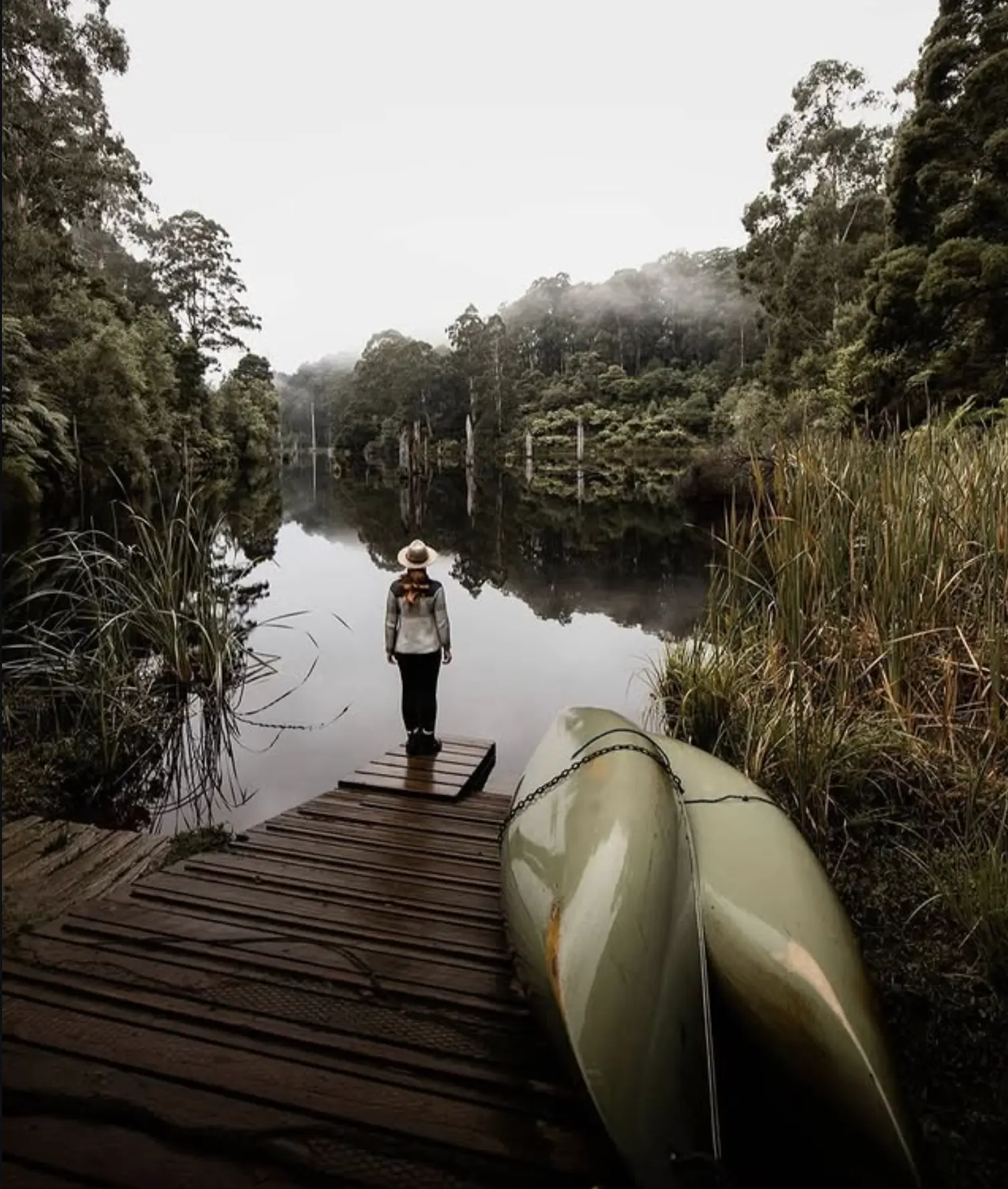
Lake Elizabeth
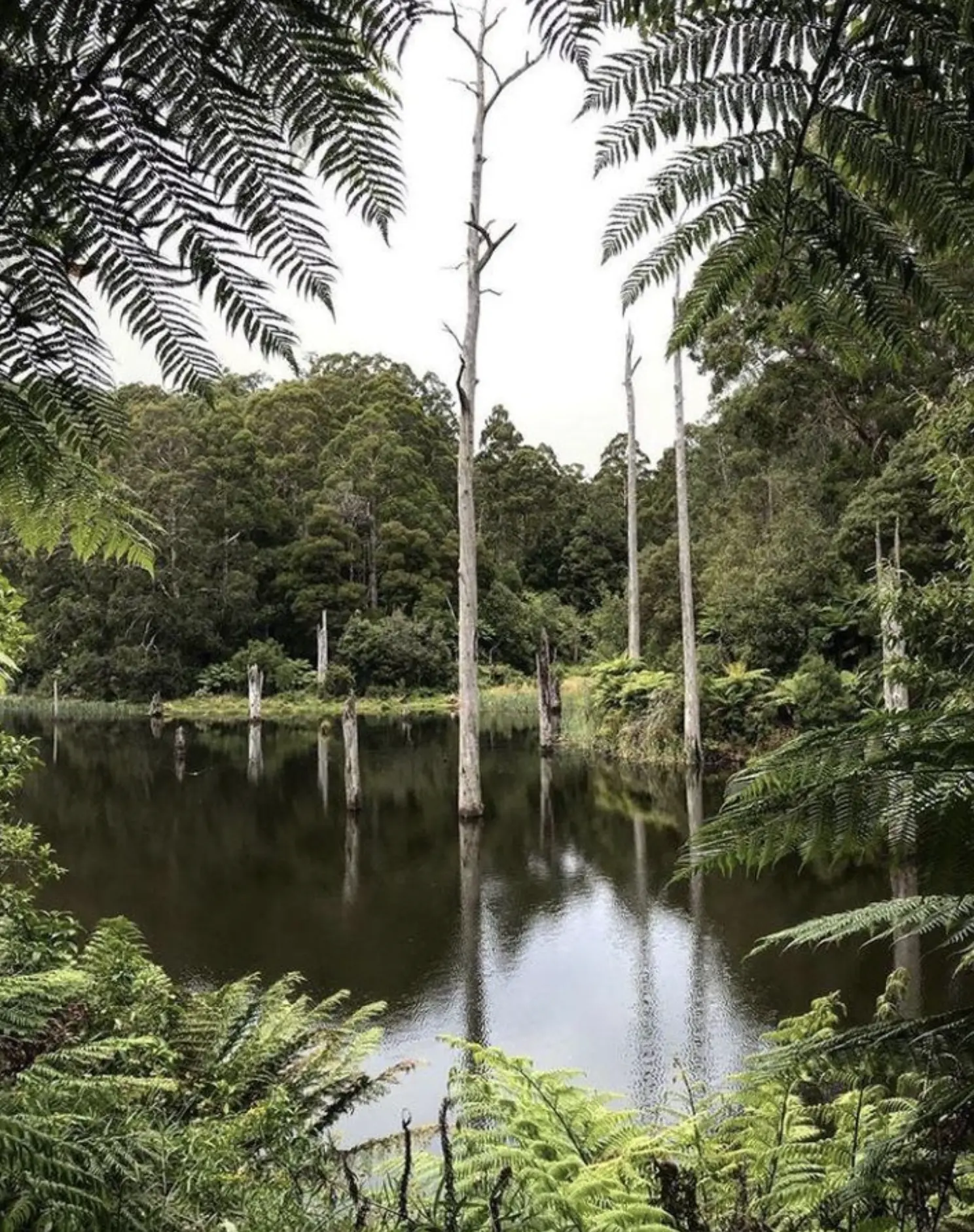
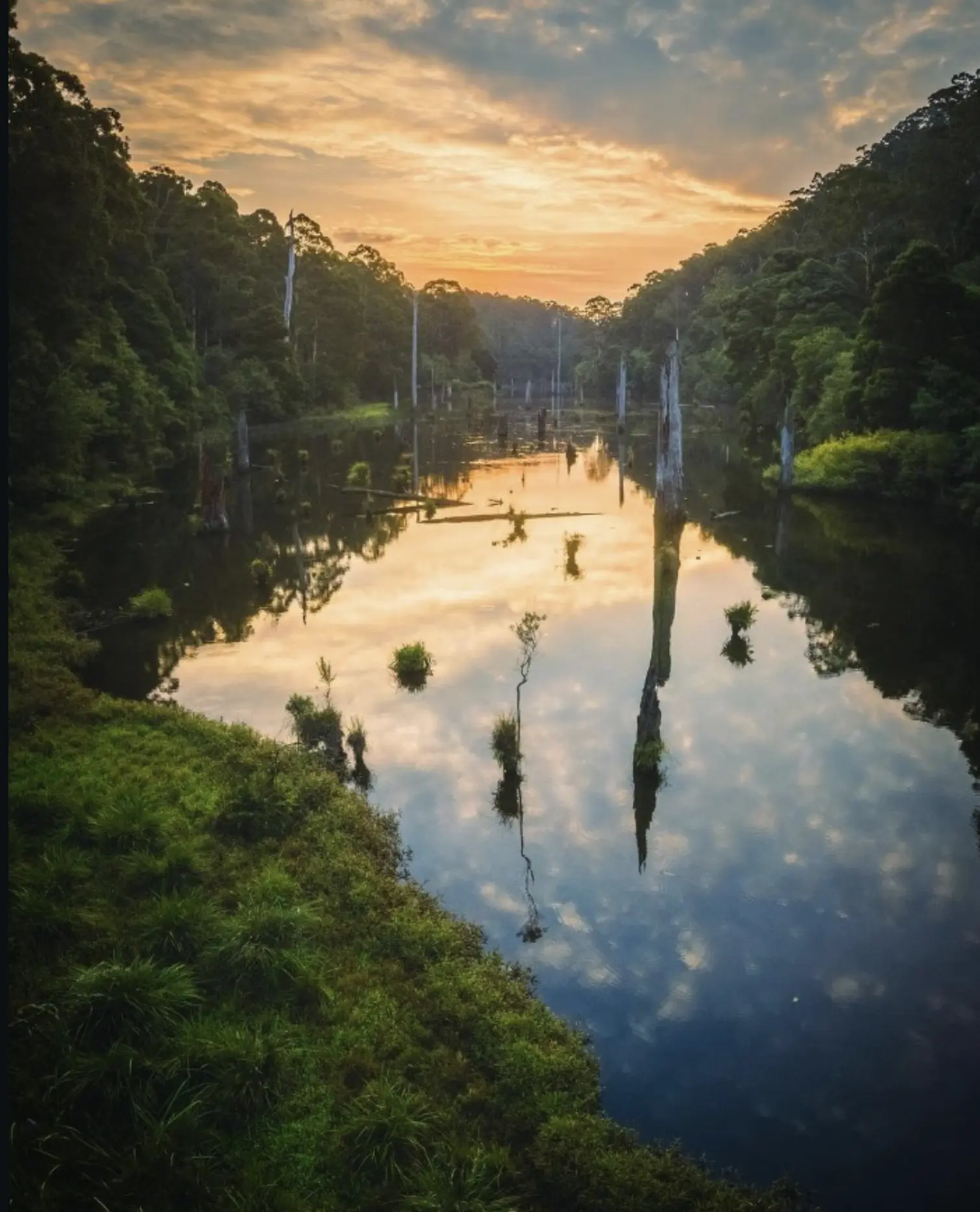
When I first saw Lake Elizabeth in the Great Otway National Park I thought I’d landed in a dream. Mist clung to ghostly tree trunks rising from mirror-still water, and the bush was alive with quiet. There’s something ancient about this place — half wild, half magic — and it rewards the traveller who slows down enough to see it breathe.
I’m Paul Beames, and after years of guiding travellers through Australia’s wild corners, I can tell you Lake Elizabeth isn’t your average picnic spot. It’s a natural wonder born from chaos, deep in the Otway Ranges, and home to one of Australia’s shyest locals — the platypus.
How to Reach This Hidden Gem
Travel Facts and Distances:
Starting Point | Distance | Travel Time | Road Conditions | Notes |
|---|---|---|---|---|
Melbourne | 165 km | ~2 hr 30 min | Sealed until Forrest, gravel last 5 km | Best via Geelong & Birregurra |
Apollo Bay | 30 km | ~40 min | Winding mountain roads | Combine with the Great Ocean Road trip |
Colac | 35 km | ~35 min | Sealed all the way | Easy inland access |
Car park bysuppose you’d like to link your Otway wanderings with Victoria’s coast. In that case, the lake | 1 km | ~20 min walk | Forest track | Moderate incline, uneven ground |
Tip: Mobile coverage drops out quickly after Forrest. Download your maps, bring a paper backup, and don’t count on Siri once you hit the trees.
A Lake Born from a Landslide
Best Times to Visit
Timing your visit makes all the difference. The Otway Ranges are famous for their rain-soaked beauty, but that same charm can turn the tracks into mud slicks if you’re not prepared.
- Best overall: Late spring to early autumn (October–April).
The weather is mild, and the forest hums with life. Expect daytime temps between 15–25°C. - Winter (June–August): Cold, wet and foggy — ideal for photographers chasing that eerie, moody light over the Lake Elizabeth Beach area and reflective water. But pack thermals and waterproofs; it can drop below 5°C overnight.
- Early morning or dusk: If you’re hoping to spot a platypus, those are your golden hours. Bring patience and silence — they’re shy little buggers.
A word to the wise: leeches and mozzies love summer humidity, so long pants and repellent are your best mates. And if it’s been pelting down, check Parks Victoria alerts for Lake Elizabeth Walk conditions and track closures before heading in.
Finding the Platypus
Ask anyone who’s been to Lake Elizabeth and they’ll tell you the same thing — it’s one of the best places in Victoria to see a wild platypus. But finding one isn’t guaranteed; these critters are shy and quick.
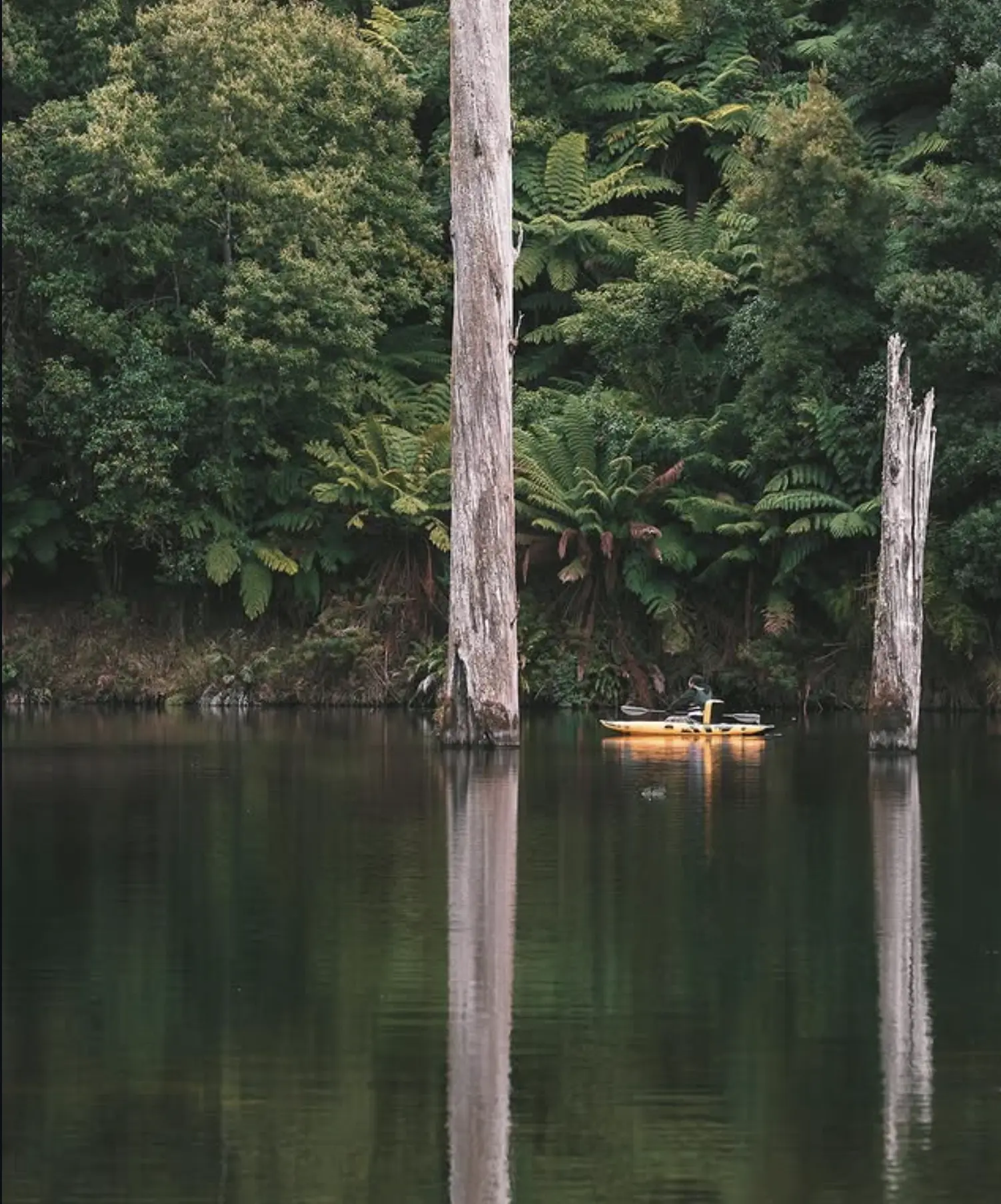
I’ve had mornings where a platypus has surfaced just metres from my kayak and others where I’ve stared at ripples for an hour, wondering if I’d imagined it. That’s part of the fun.
Top tips:
- Go at dawn or dusk — that’s when they’re most active.
- Be quiet and still; they’re easily spooked by movement.
- Look for circular ripples or small bubbles — signs a platypus has just dived.
- Bring binoculars if you’re not joining a guided tour.
If you don’t want to leave it to chance, Forrest-based guides run small kayak tours on the Lake Elizabeth Circuit Walk route at first light.
The platypus population thrives thanks to the clean waters of the Barwon River system and protection under Parks Victoria management. Seeing one feels like a reward for patience — and a reminder that wild places still have secrets.
Scenic Trails in This Hidden Valley
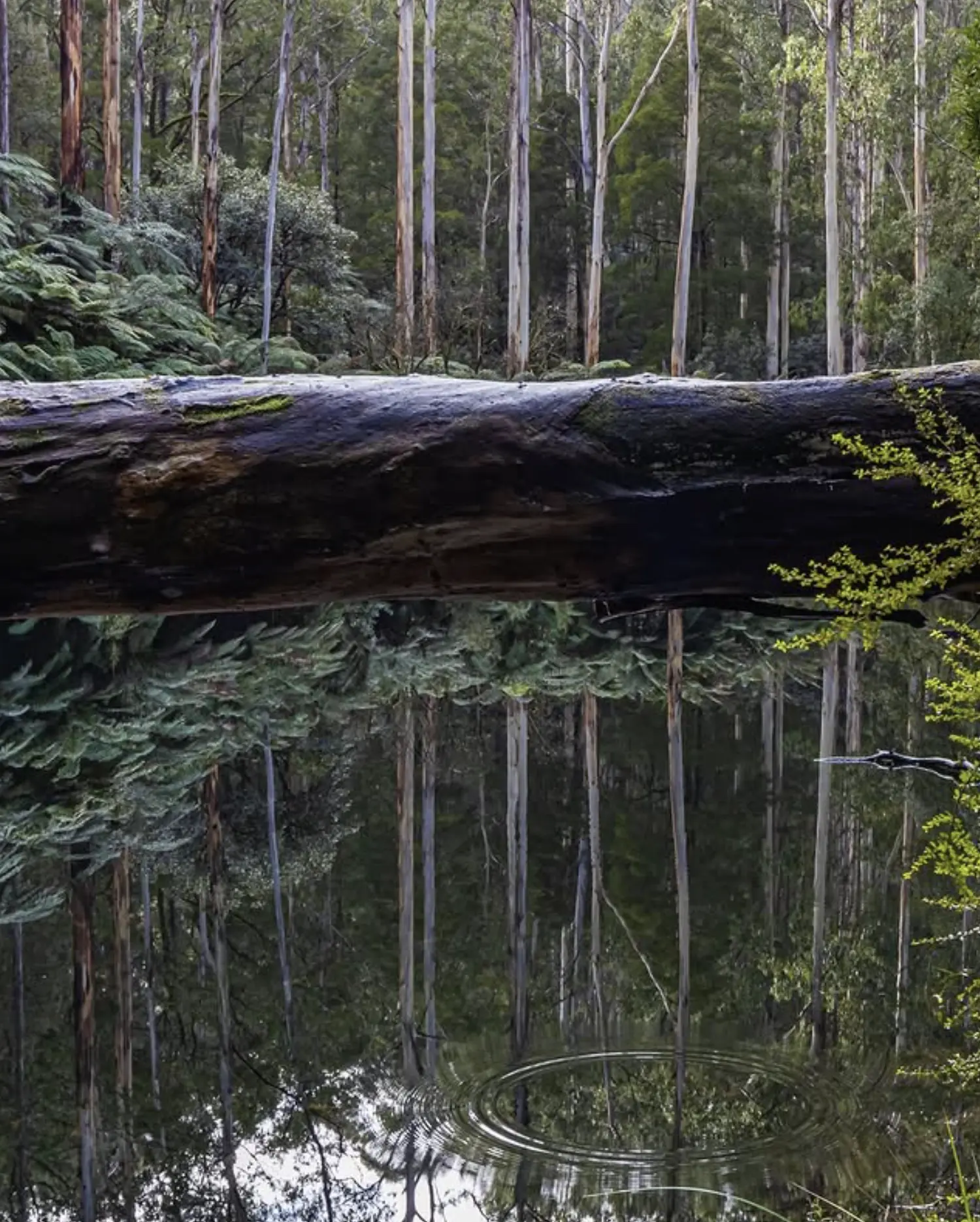
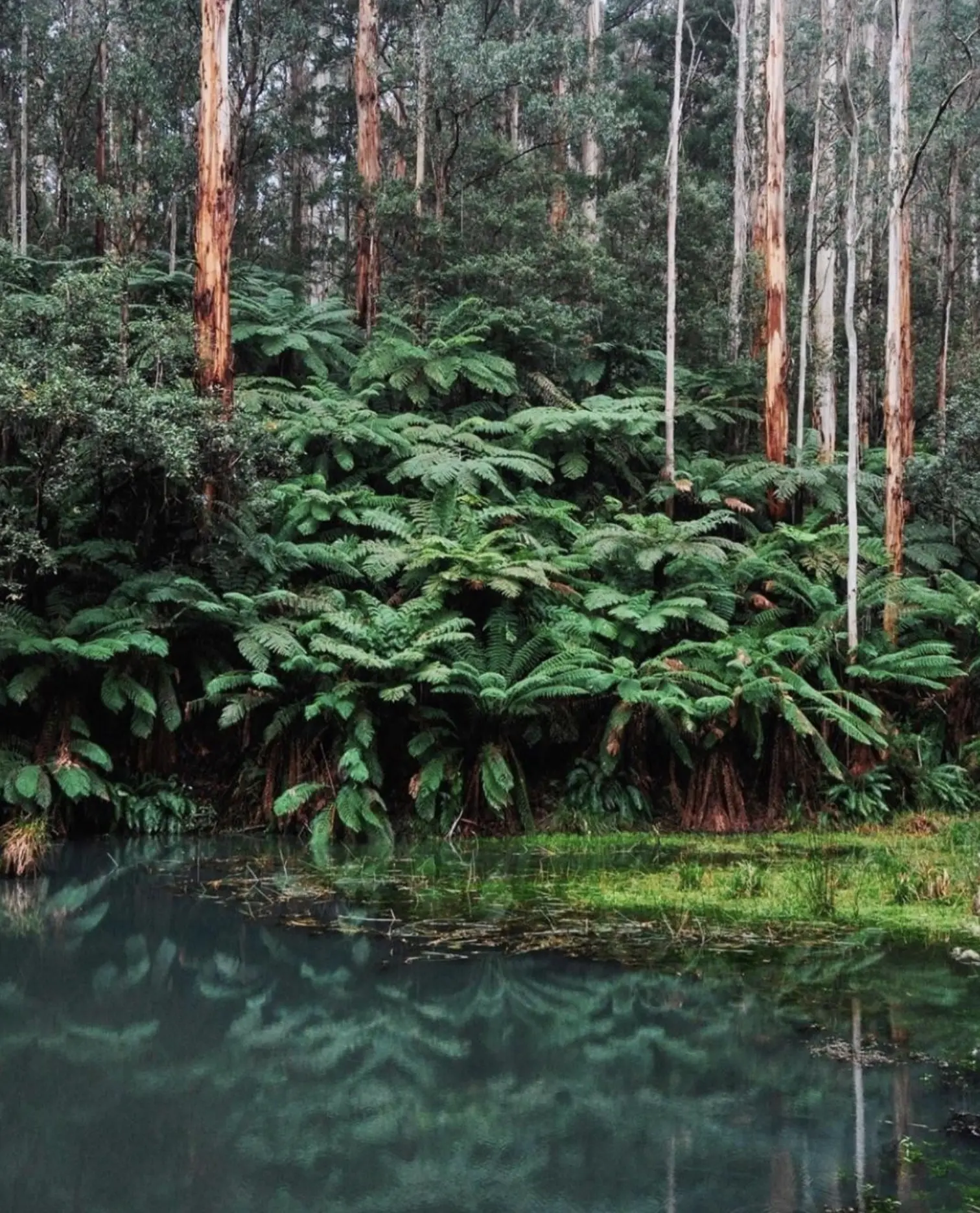
The main Lake Elizabeth Loop Walk is about 4km around the lake through Tree Fern gullies, towering mountain ash and mossy logs. It’s a moderate grade track often damp underfoot and perfect for photographers chasing reflections or birdwatchers listening for lyrebirds.
Allow 1.5 to 2 hours to complete the Lake Elizabeth Circuit Walk at a leisurely pace. If you’re lucky, you’ll hear superb lyrebirds mimicking half the bush — kookaburras, car alarms, even chainsaws.
There’s also a Fern Gully Walk nearby that links to Victoria Walks trails in the Otway State Forest, so you can explore the green heart of this ecosystem.
Walking highlights:
- Shady tracks through ancient Tree Ferns and blackwoods.
- Small creek crossings fed by the Barwon River East Branch.
- Lookout points over the lake and its skeletal trees.
- Glow worms along damp rock walls at dusk.
No bins, no noise — just the bush. Take in what you bring out and be gentle on Eastern Maar Country, where the Traditional Owners have been here for thousands of years.
Birds, Beasts, and Bush Sounds
Spend an hour at Lake Elizabeth, and you’ll see (and hear) why it’s a wildlife haven within the Great Otway National Park.
Expect to meet:
- Long-nosed Bandicoots nosing through the leaf litter.
- Eastern Grey Kangaroos and Swamp Wallabies along the trail.
- Koalas snoozing in tall blue gums.
- Echidnas shuffling along the path.
Birdwatchers are in luck, too. Yellow-tailed Black Cockatoos, Crimson Rosellas, Powerful Owls, and Eastern Whipbirds all call this forest home.
If you’re patient — or just quiet enough — you might even see glow worms light up sections of the Fern Gully Walk after dark. Bring a red torch if you want to see them without disturbing their habitat.
Where to Camp Near the Forest Trails
You can’t camp right beside the water, but Lake Elizabeth Campground is only 500m from the car park, so it’s perfect for hikers and nature lovers.
It’s a bush-style campsite under Parks Victoria with around 20 unpowered sites, long-drop toilets and fire pits. Water isn’t potable, so bring your own supply.
Bookings are through the Parks Victoria website, and sites fill fast in summer. Fires are only allowed in designated pits and not during Total Fire Ban periods.
If you want to hop between sites, the Aire River West Campground near Kennett River is another great spot for campers following the Great Otway National Park route.
What to bring:
- Water container (min 20L)
- Insect repellent — mozzies here are fierce
- Firewood (collecting in the park is prohibited)
- Warm layers — nights can be cold
- Torch or headlamp — no lighting at camp
No café, no Wi-Fi, no worries. Just the crackle of your fire and the night calls of the bush.
Safety Tips for Visitors
The Otways can get wild if you’re not prepared — slippery tracks, fast weather changes and low visibility. Keep it safe, simple and respectful.
Key reminders:
- Check Parks Victoria for conditions before visiting.
- Wear sturdy hiking boots — Lake Elizabeth Walk can be muddy.
- Bring a first aid kit and keep an eye out for leeches.
- Don’t swim — it’s a flooded lake with hidden trunks.
- Stay on marked trails; off-track shortcuts damage the ecosystem.
- No drones — they disturb wildlife and breach park rules.
The Otway Ranges are amazing, but the bush doesn’t forgive laziness. Treat it like a friend, not a playground.
And suppose you’d like to link your Otway wanderings with Victoria’s coast. In that case, Phillip Island Tours Australia offers small-group experiences that blend forest stillness with seaside magic — all without the stress of planning every turn.